Draw Your Calm: Visual Journaling for Self-Reflection and Stress Relief
Today we explore visual journaling for self-reflection and stress relief, blending simple marks, colors, and images to translate shifting feelings into pages you can see and understand. Whether you feel anxious, creatively curious, or simply tired, these gentle practices build clarity, regulate stress, and invite compassion. Follow along, try the exercises, and share what you notice; community grows when honest stories meet paper with patience, humor, and a willingness to begin again.
Begin with Intention and Gentle Tools
Starting is easier when the barrier to entry is low and the welcome is sincere. Gather a pencil you enjoy holding, a forgiving pen, and paper that does not intimidate you. Set a small intention: not to produce art, but to notice your inner weather. Let comfort, curiosity, and kindness steer the very first pages you create.
Choose materials that invite you in
Pick tools that feel friendly rather than precious: a soft pencil, water-soluble markers, a glue stick, and a small notebook you are not afraid to wrinkle. Consider colors that match or counterbalance your mood. Portability matters too; a pocket kit encourages spontaneous sessions during commutes, lunch breaks, or gentle pauses between meetings and chores.
Set a welcoming ritual
Rituals teach the nervous system to exhale. Try three slow breaths, a sip of tea, and a two-minute stretch before the first mark. Light a candle or play a quiet song that marks safe arrival. Silence notifications, promise yourself ten undisturbed minutes, and allow your body to soften as your hand prepares to move with intention.
Techniques That Quiet the Nervous System
Mindful marks and breath-synced lines
Draw lines that match your inhalations and exhalations, letting the length and weight of each stroke mirror the breath. Spiral inward to gather scattered energy, then spiral outward to release. Repeat patterns calm the amygdala through predictability. A reader, Maya, sketched ten slow spirals during a commute and felt her shoulders drop before the third station.
Color and emotion mapping
Choose a palette that represents feelings without words. Perhaps cool blues for fatigue, ember oranges for irritation, and soft greens for grounded presence. Layer transparent washes to show complexity and overlap. Add symbols that recur across days to track trends. Over time, color clusters reveal triggers, victories, and subtle shifts that plain journaling might overlook entirely.
Collage textures for safe release
Tear magazines, shopping lists, or packaging into shapes that match sensations: jagged for tension, rounded for relief. Glue them down with deliberate pressure, noticing how hands anchor emotions. Add scribbles over rough edges, then soften with tissue layers. The physicality converts restlessness into action, offering a controlled, meaningful outlet without needing polished compositions or perfect drawings.
From Page to Psyche: Why It Works
Turning rumination into shapes you can organize
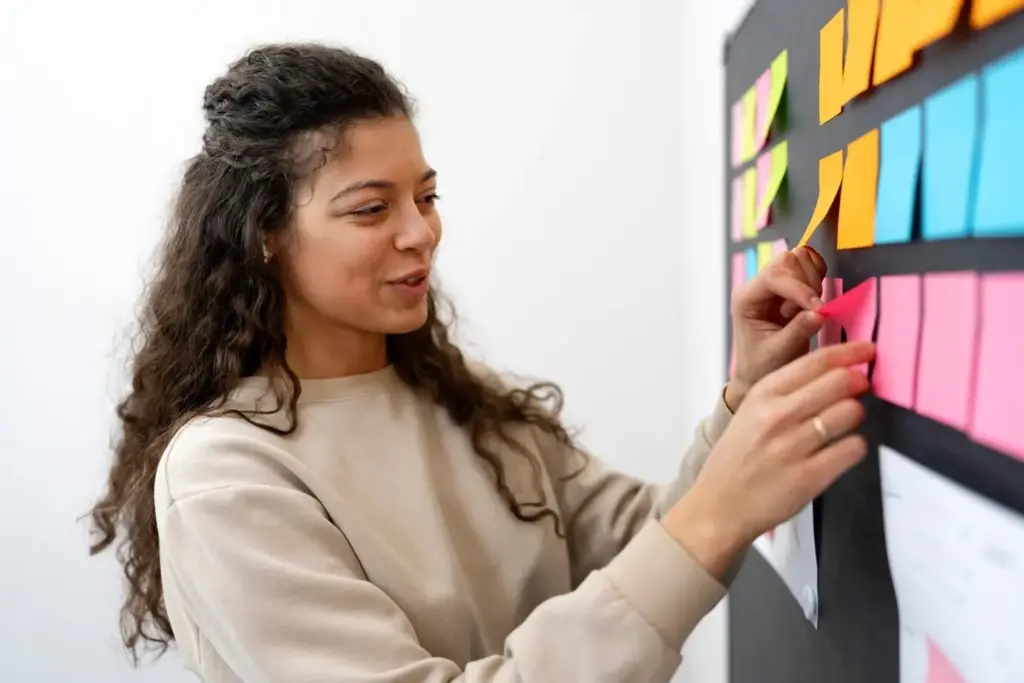
Rumination thrives on vagueness. Translate it into clusters, boxes, and arrows that show direction and relationship. Give worries corners so they stop spreading. Encircle one concern with calm tones and write a single supportive sentence beneath it. By staging thoughts spatially, decision-making becomes simpler, and next steps feel smaller, kinder, and genuinely achievable within your realities.

Soft focus, slow hands, and physiology of calm
Softening your gaze while sketching reduces visual threat scanning, easing vigilance. Slow, repetitive hand motions encourage deeper breathing and vagal engagement. Even two minutes of steady hatching can lower perceived stress. Add bilateral page movements, left to right and back again, to gently integrate sensations. Many practitioners report sleeping more easily after evening sessions using this approach intentionally.

Evidence matters, but personal meaning leads
Studies on art-making often show decreases in stress ratings and improvements in mood, yet your own data is most persuasive. Track sleep quality, energy, and reactivity alongside your pages. Celebrate small outcomes, like pausing before replying to a tense message. The practice works best when curiosity guides adjustments, preserving authenticity over any rigid formula or expectation.
Five-minute micro-sessions that actually help
Set a timer for five minutes. Draw a rectangle for body, a circle for heart, a triangle for mind. Fill each with colors or textures describing current states. Add one compassionate note, like drink water or message a friend. Small, repeatable choices preserve momentum and prevent all-or-nothing thinking from derailing caring attention on hectic, unpredictable days.
After-work decompression spread
Before dinner, open a fresh spread divided into three bands: release, regroup, and reorient. In release, scribble out the day’s residue without censorship. In regroup, add grounding images like stones, branches, or steady patterns. In reorient, sketch one small commitment for the evening. This ritual clears mental clutter and protects home life from lingering workplace tension effectively.
Morning clarity mandala
Begin with a circle and place a dot at the center to symbolize steady attention. Add radiating segments for priorities, coloring intensity to match available energy. Write one sentence of encouragement along the outer ring. This quiet mapping aligns intention with capacity, preventing overpromising and creating a gentle compass you can consult throughout the day realistically.

Digital or Paper: Choose Your Flow
Both mediums can nourish reflection and ease. Paper offers texture, scale, and grounding friction; digital tools offer privacy, portability, and easy layering. Consider your context: commute, travel, or a cozy evening desk. You can blend approaches gracefully. The right choice is whichever lowers resistance, invites presence, and keeps you returning with curiosity, honesty, and sustainable delight.

Grow With Others, Protect Your Heart
Community inspires courage, yet boundaries protect tenderness. Share pages that feel ready, keep private what still needs incubation, and remember that comparison steals meaning. Seek supportive spaces where process matters more than polish. Ask for reflections, not verdicts. Invite friends to try prompts together, and celebrate imperfect, honest attempts that prioritize wellbeing over performance or external approval.