See Your Day Differently
Today we explore Visual Thinking for Everyday Life, a practical approach that turns ideas, plans, and conversations into quick sketches, maps, and simple diagrams. You will learn how drawing rough shapes clarifies choices, reduces stress, and unlocks memory. No art degree required—just curiosity, a pen, and five focused minutes. Join in, sketch along, and share your results so we can celebrate progress and answer questions together.
Why Pictures Clarify What Words Complicate
Dual Coding in the Kitchen
Try drawing a tiny flowchart beside a recipe: chop, heat, stir, taste. The quick visual pairs with the words and reduces rereading, especially when timers beep and kids ask questions. You will notice fewer mistakes, calmer pacing, and easier substitutions because the next step is literally visible and unambiguous.
The Whiteboard That Saved a Meeting
In a tense check‑in, draw the project timeline as a single line with milestones, risks, and owners. People shift from arguing about phrasing to pointing at boxes, moving arrows, and agreeing on sequence. The visual anchors facts, exposes gaps, and turns conflict into collaborative editing within minutes.
From Fog to Frame
When thoughts feel messy, grab paper and draw a big rectangle. Label it with the challenge, then sketch three smaller frames inside for options A, B, and C. Seeing choices contained reduces anxiety, makes trade‑offs explicit, and invites experiments instead of procrastination or perfectionism.
Simple Tools You Already Have
You do not need special pens or heavy notebooks. A pencil, a stack of sticky notes, index cards, and your phone camera are enough to map plans, track chores, and explain ideas. Constraints help; small surfaces force crisp labeling and shorter lines. Start tiny, finish something, and you will build confidence session by session.
The Sticky-Note Sprint
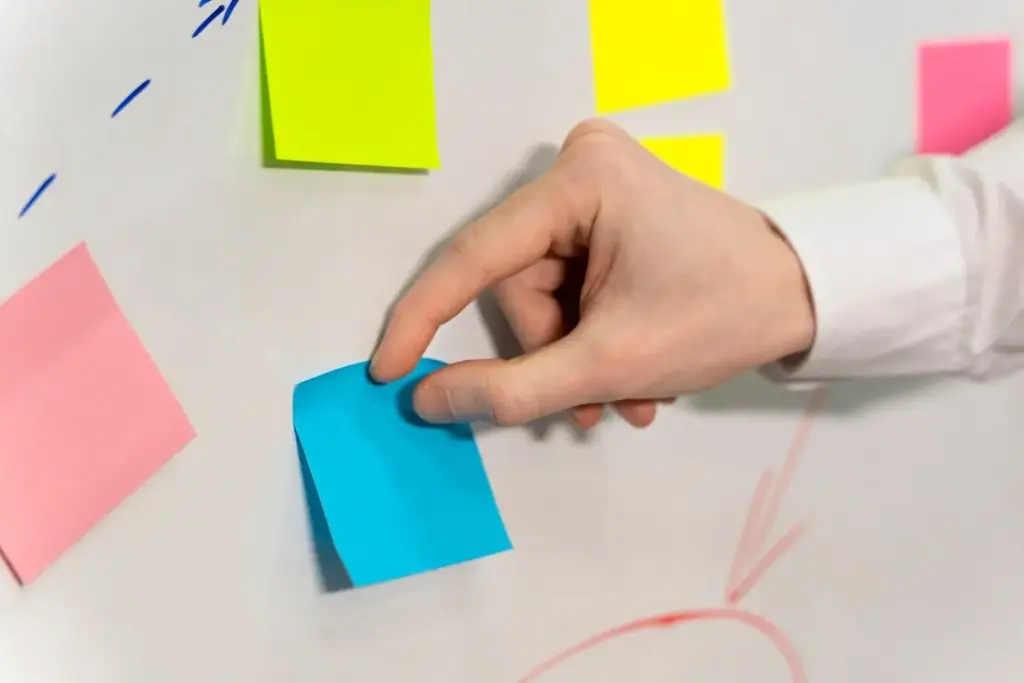
Set a five‑minute timer, write one idea per note, and stick them randomly. Then cluster by similarity and add quick labels. The tactile movement triggers fresh connections, and the clusters become a draft plan you can photograph, reorder later, or share for feedback without rewriting everything.
Index Cards Everywhere
Carry ten blank cards. When tasks pile up, draw one icon per card, then lay them on a table to arrange priority, dependency, and location. Seeing work as movable pieces lowers pressure, reveals the next action, and makes interruptions easier to absorb without losing direction.
Everyday Decisions, Drawn
Choices feel heavy until they are sketched. A two‑by‑two grid, a pros‑and‑cons map, or a quick timeline reduces rumination and invites action. By visualizing options and criteria, you separate feelings from facts and find a reasonable next step. Draw, compare, decide, and adapt with fewer regrets and clearer expectations.
Communicate So People Actually Understand
Visual explanations reduce friction because they anchor attention and show relationships. Replace dense paragraphs with labeled sketches, legends, and consistent symbols. Colleagues, clients, and family can discuss the same picture, confirm meaning, and suggest edits without debating vocabulary. When ideas are unambiguous on paper, trust grows and next actions become obvious.

Learn Faster and Remember Longer
Sketching while learning builds durable memories, because images and words reinforce each other and provide multiple retrieval paths. Concept maps reveal gaps, and sketchnotes transform lectures into connected scenes. Later, redrawing from memory becomes productive testing, not punishment. Your notes turn into a personal atlas you can revisit with confidence.
Make It a Habit Without Becoming an Artist
Visual practice grows through repetition, constraints, and friendly accountability. Collect a tiny icon library, attach drawing to existing routines, and celebrate imperfect pages. The aim is expression, not exhibition. Share experiments, invite questions, and iterate. Over months, your lines gain confidence, your decisions speed up, and your everyday life feels lighter.